Seventy-three percent of oversized blazers returned to retailers in 2026 get sent back for one reason: the shoulder seam sits somewhere between the actual shoulder and the elbow, creating a silhouette that reads as sloppy rather than intentional. The rest of the fit barely matters if the shoulder width is wrong.
Most people assume “oversized” means “buy a size or two up.” That is exactly how you end up with a blazer that swallows your frame and makes you look like you borrowed a jacket from someone twice your size. The oversized streetwear blazer is not a bigger blazer. It is a blazer cut with extended shoulders, a dropped armhole, and a boxy torso that keeps its structure. Two completely different things.
This guide breaks down the exact measurements, fabric weights, and styling moves that separate an effortlessly cool oversized blazer from a thrift-store mistake.
The Shoulder Seam Rule Most People Skip
On a standard tailored blazer, the shoulder seam sits directly on the bony point of your shoulder. On an oversized blazer, that seam should sit 1.5 to 2.5 inches past the shoulder point, dropping onto the upper arm. That is the entire game. If the seam sits more than 3 inches past your shoulder, the blazer looks like a costume. If it sits exactly on the shoulder, you just bought a regular blazer that is too big everywhere else.
Measure your shoulder width from seam to seam across the back of a well-fitting jacket you already own. Add 3 to 5 inches total (1.5 to 2.5 inches per side). That number is your target for an oversized streetwear blazer. So if your standard shoulder measurement is 17 inches, you want a blazer with a 20 to 22 inch shoulder width.
The Arket Oversized Wool-Blend Blazer runs a 20.5 inch shoulder on a size medium, which works for most people with a 17 to 18 inch natural shoulder. The Uniqlo AirSense Blazer is cut narrower at 19 inches on a medium, which is why it reads more “slightly relaxed” than genuinely oversized. The COS Relaxed-Fit Blazer hits 21.5 inches on a medium, which is the upper limit before things get sloppy.
Drop Shoulder vs. Extended Shoulder
A drop shoulder means the seam falls onto the upper arm naturally because the armhole is cut lower. An extended shoulder means the seam is physically pushed outward while the armhole stays higher. For streetwear, you want the drop shoulder. It creates that slouchy, borrowed-from-the-boys look without adding bulk at the armpit. Extended shoulders create a sharper, more architectural silhouette that reads more fashion-editorial than streetwear.
How Much Room Should the Body Have?
Button the blazer. You should be able to fit a fist between the blazer and your chest. Not a hand. A fist. If you can fit two fists, the blazer is too big and the fabric will pool at the lower back when you sit. If you can only fit a few fingers, you bought a regular blazer.
Fabric Weight Changes Everything

An oversized blazer only works when the fabric holds its shape. Lightweight fabrics collapse and wrinkle, turning the intentional drape into a rumpled mess by noon. Heavy fabrics make the blazer look like outerwear, which changes the entire vibe.
The sweet spot is 280 to 350 grams per square meter (GSM). That weight drapes cleanly, holds structure at the shoulders, and moves with you instead of against you.
Here is what that looks like in practice:
| Fabric | Typical GSM | How It Wears | Best For |
|---|---|---|---|
| Polyester-viscose blend | 220-260 | Drapes but wrinkles fast, loses shape by evening | Budget options, indoor wear |
| Wool-polyester blend | 280-320 | Holds structure, breathes, minimal wrinkling | Everyday streetwear blazers |
| Pure wool or wool-cashmere | 330-380 | Excellent drape, warm, needs dry cleaning | Fall/winter oversized blazers |
| Cotton twill | 300-400 | Stiff at first, breaks in well, casual texture | Unstructured streetwear looks |
| Linen or linen blend | 200-280 | Wrinkles intentionally, very breathable | Summer, beach-to-street styling |
The Zara Oversized Suit Blazer uses a 290 GSM polyester-viscose blend that holds up surprisingly well for $89. The Weekday Voyage Blazer comes in at 310 GSM wool blend for $120, which is the best value in this category right now. The Acne Studios oversized blazers run 350+ GSM but cost $600 to $900, which only makes sense if you wear one three times a week.
Bottom line: Buy wool blend in the 280-320 GSM range. It is the only fabric weight that looks intentional all day without requiring a steamer in your bag.
Three Styling Formulas That Actually Work
Forget everything Pinterest told you about “just throw it on.” Oversized blazers require deliberate contrast. Here are the three formulas that consistently work in 2026.
- The Crop Contrast: Pair the blazer with a cropped top or a fitted bodysuit underneath. The oversized top layer against the fitted base creates the tension that makes the look work. The Skims Fits Everybody Bodysuit ($68) or a simple ribbed tank from COS ($35) works here. Add high-waisted wide-leg trousers or straight-leg jeans. The blazer covers your hips, so the trousers need a defined waist.
- The Full Boxy Stack: Wear the blazer over an oversized graphic tee and baggy cargo pants. This is the full streetwear commitment. The key is keeping the blazer unbuttoned so the layers underneath show. The Carhartt WIP OG Active Jacket Pants ($128) or the Dickies 874 in a relaxed fit ($30) hold up better than cheap cargos. Sneakers are non-negotiable here. Nike Air Force 1s or New Balance 550s ground the look.
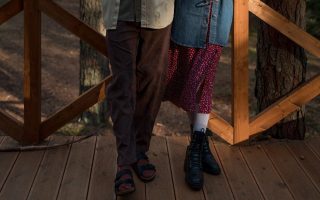
- The Mini Skirt Reset: An oversized blazer over a mini skirt and chunky boots. The blazer should hit mid-thigh or lower. The Miu Miu micro-mini trend pushed this everywhere, but you do not need a $2,000 skirt. The Zara Mini Denim Skirt ($49) or a simple A-line mini from Uniqlo ($39) works. Add Dr. Martens 1460 boots ($170) or chunky loafers. This formula works because the blazer covers enough of the skirt that the proportions stay balanced.
When NOT to Buy an Oversized Blazer
If you are under 5’4″, skip the oversized blazer entirely. The extended shoulder and boxy torso will make you look shorter and wider, no matter how well you style it. Instead, buy a regular blazer one size up and have the sleeves tailored. That gives you 80% of the oversized look without the proportion problems.
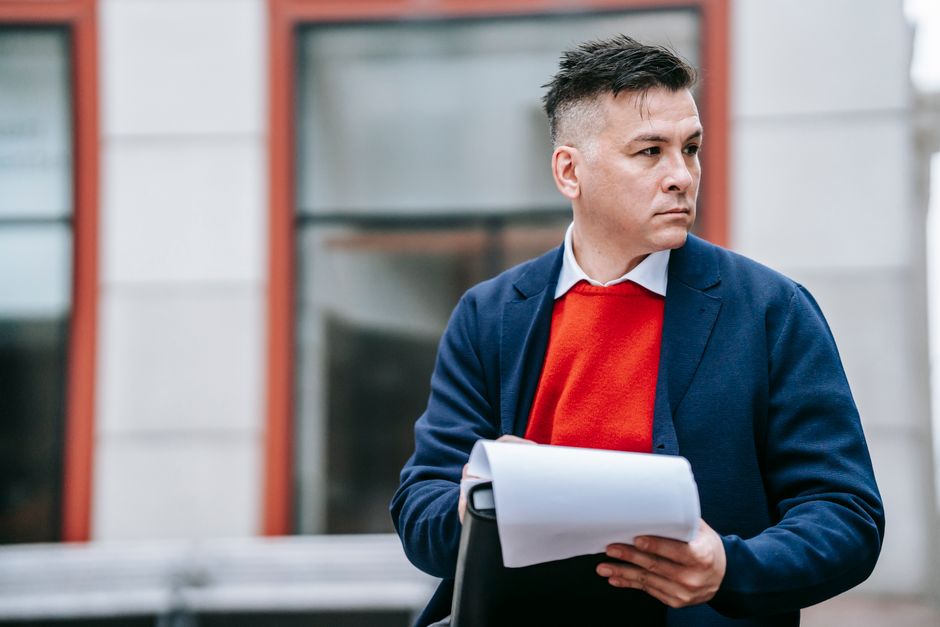
If you work in a formal office, an oversized blazer will not pass for business attire. The dropped shoulder and relaxed fit read as casual, not professional. Stick to a structured blazer for work and keep the oversized one for weekends.
If you sweat easily, avoid polyester-heavy oversized blazers. The extra fabric traps heat, and polyester does not breathe. The 280 GSM wool blend from Weekday or a cotton twill option from Everlane ($148) will be far more comfortable.
Quick Answers: The Questions People Actually Ask

Can I tailor an oversized blazer?
Yes, but only the sleeves and length. You cannot reduce the shoulder width without rebuilding the entire jacket, which costs more than the blazer in most cases. Buy the right shoulder width from the start.
Should oversized blazers be buttoned?
Almost never. The streetwear look depends on the open front showing the layers underneath. If you must close it, use a single button and only for photos. The boxy cut looks awkward fully buttoned on most bodies.
What shoes work with oversized blazers?
Chunky sneakers, combat boots, or loafers with a thick sole. Thin-soled shoes make the oversized top look unbalanced. The New Balance 550, Dr. Martens 1460, and the Prada Monolith loafer dupe from Steve Madden ($89) all work.
Do oversized blazers work in summer?
Only in linen or lightweight cotton. A wool-blend oversized blazer in July is a mistake. The COS Linen-Blend Relaxed Blazer ($135) is the best summer option because it breathes and the wrinkles read as intentional texture.
The oversized blazer trend in 2026 is not about buying bigger. It is about buying a specific cut with the right shoulder extension, the right fabric weight, and pairing it with deliberate contrast. Get the shoulder seam 1.5 to 2.5 inches past your shoulder point in a 280-320 GSM wool blend, and you have solved 90% of the equation. The other 10% is just not buttoning it.