
You’re standing in front of two sweaters. One is $89, the other is $240. Both feel soft. Both claim to be “warm wool.” The salesperson says merino is “just as warm.” The label on the expensive one says “Grade A cashmere.” You don’t want to get this wrong because fall turns into winter fast, and a bad sweater purchase means six months of regret.
Here’s the short answer: cashmere is warmer by weight — roughly 7 to 8 times warmer than sheep’s wool per gram, according to fiber insulation measurements from textile labs. But merino wool is more durable, resists pilling better, costs a fraction of the price, and handles moisture more gracefully. The real question isn’t which fiber is better. It’s which failure you can live with.
The Fiber Physics: Why Cashmere Wins on Warmth per Gram
Cashmere comes from the undercoat of Capra hircus goats raised in Mongolia, Inner Mongolia, and parts of Iran and Afghanistan. These goats survive winters where temperatures drop to -40°F. Their undercoat evolved for one job: trapping body heat in a fiber that weighs almost nothing.
Merino wool comes from Merino sheep, originally bred in Spain but now raised mostly in Australia and New Zealand. Merino sheep also survive cold conditions, but their fleece is structured differently. The fibers are thicker and crimped, which creates air pockets — good for insulation, but heavier per unit of warmth.
Here’s the data that matters:
| Property | Cashmere | Merino Wool |
|---|---|---|
| Fiber diameter | 14–19 microns | 17–24 microns |
| Warmth per gram | Significantly higher | Moderate |
| Typical sweater weight | 200–350g | 250–500g |
| Pilling tendency | High in low-grade, moderate in high-grade | Low to moderate |
| Price range for a decent sweater | $150–$500+ | $60–$180 |
| Moisture wicking | Good, but loses shape when wet | Excellent, retains shape |
| Durability under regular wear | 2–4 years with care | 5–10+ years |
If you’ve ever held a cashmere sweater and thought “this feels like nothing,” that’s the point. You’re getting more insulation per ounce than any other natural fiber except qiviut (musk ox wool, which costs more than gold by weight). A 300g cashmere crewneck from Nadaam (around $175) will keep you warmer indoors and on crisp fall days than a 450g merino sweater from Uniqlo (around $50).
But warmth isn’t the only variable. And if you’re buying for durability, cashmere has a dark side.
Durability: Where Merino Wool Actually Beats Cashmere
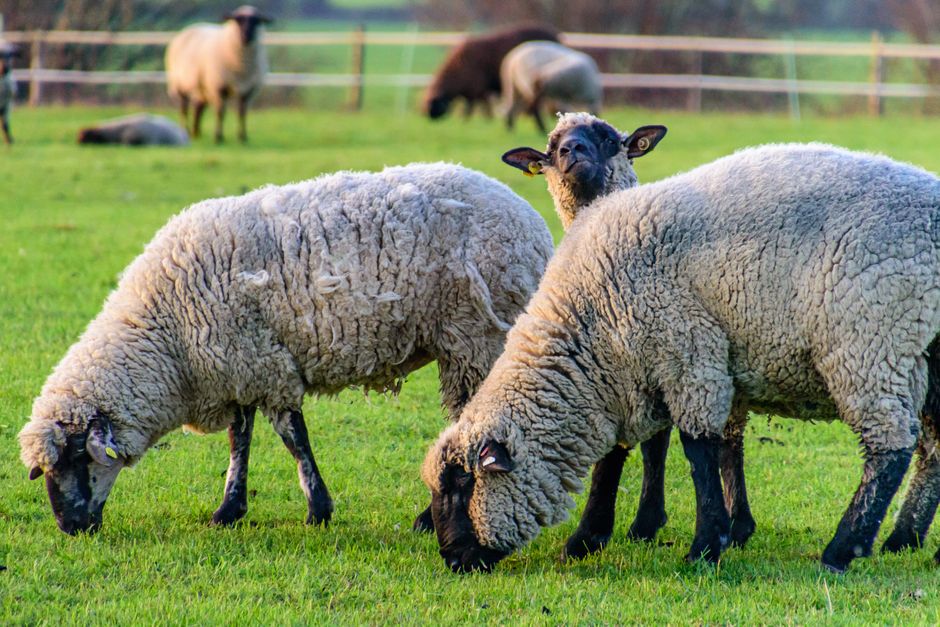
Merino wins on durability. Not by a little — by a lot.
Cashmere fibers are short. They average 35–50mm in length. Merino fibers run 65–100mm. Shorter fibers work loose from the yarn more easily. That’s why cashmere pills, especially under the arms, at the cuffs, and anywhere a bag strap rubs against the fabric. A $300 cashmere sweater can start pilling within the first month of regular wear. That’s not a defect. It’s fiber physics.
Merino’s longer staple length means the yarn holds together better. A merino sweater from Smartwool or Icebreaker will typically survive 5+ years of weekly wear without developing holes. A cashmere sweater from the same rotation might need darning by year three.
One more durability factor: washing. Cashmere should be hand-washed cold with a dedicated cashmere shampoo (like The Laundress Wool & Cashmere Shampoo, $19) and dried flat. Machine washing — even on delicate — will eventually felt the fibers and shrink the garment. Merino, especially “superwash” merino, can often go in a cold machine cycle inside a mesh bag and come out fine.
If you’re someone who throws clothes in the laundry basket and forgets about them, merino is the safer buy. Cashmere demands a level of care that most people won’t sustain past November.
What Actually Happens to Each Sweater by December
Let’s talk about real wear patterns, not lab tests.
You buy a cashmere sweater in September. You wear it twice a week through October. By early November, you notice small pills forming where your elbows rest on your desk. You buy a fabric shaver (like the Gleener Ultimate Fuzz Remover, $19.95) and spend ten minutes de-pilling it. The sweater looks fine again, but it’s thinner than when you bought it. Each de-pilling session removes a little fiber. By year three, the elbows are translucent.
You buy a merino sweater the same day. You wear it twice a week through October. By November, it has no pills. You machine wash it cold, lay it flat to dry, and it looks identical to the day you bought it. The tradeoff? On a 45°F day, the merino feels slightly less cozy than the cashmere. You notice the difference most when you’re sitting still — reading, working at a desk, watching a movie. Cashmere traps heat better when your body isn’t generating much.
This is the core tradeoff, and nobody in a sweater store will tell you this: cashmere is a luxury for sedentary warmth. Merino is a workhorse for active or careless wear.
When to Buy Cashmere (and When to Skip It)
Buy cashmere if you meet all three of these conditions:
- You want maximum warmth for the weight, and you’re willing to pay $150+ for a sweater that will last 3–4 years with careful maintenance.
- You already own a fabric shaver and you don’t mind using it monthly.
- You want a sweater that feels like wearing a heated blanket at the office, not something you’d hike in.
Skip cashmere if you’re buying your first “nice sweater” and you don’t have a care routine. Skip it if you have a long walk to work with a backpack. Skip it if you’re on a budget under $100 — cheap cashmere (under $80) is almost always blended with lower-grade fibers or spun from the shortest, weakest hairs, which means it will pill aggressively and develop holes within a single season. A $60 “cashmere” sweater from a fast-fashion brand is not the same product as a $200 sweater from Naadam or Everlane.
For most people, the smartest fall purchase is a merino sweater in the 18.5–19.5 micron range. That’s fine enough to feel soft against skin but thick enough to resist pilling. Uniqlo’s Extra Fine Merino crewneck ($49.90) and Smartwool’s Classic Thermal Merino base layer ($95) both hit this spec. If you want something slightly more elevated, Everlane’s Merino crew ($98) uses 100% extra-fine merino and holds shape well after washing.
The Verdict: Pick Based on Your Actual Life, Not the Label
If you sit at a desk, run cold, and treat your clothes carefully, buy cashmere. The Naadam Essential Cashmere Crew ($175) is the best entry point — it’s 100% Grade A Mongolian cashmere, 12-gauge knit, and it holds up better than cheaper blends.
If you walk, commute, carry a bag, or just don’t want to think about garment care, buy merino. The Uniqlo Extra Fine Merino crewneck ($49.90) is the best value, and the Icebreaker Quantum Long Sleeve Zip ($110) is the best performance option if you run warm and want something you can wear hiking and then to dinner.
Final comparison:
- Warmest per gram: Cashmere, by a wide margin
- More durable: Merino wool, 2–3x longer lifespan
- Lower maintenance: Merino wool
- Better for active wear: Merino wool
- Better for sitting still in cold rooms: Cashmere
- Best under $100: Uniqlo Extra Fine Merino ($49.90)
- Best under $200 if you want luxury warmth: Naadam Essential Cashmere Crew ($175)