
Most people pick a hoodie by color and price. That’s why most hoodies look terrible after ten washes. The real decision happens at the fabric level — weight, fleece type, and stitch density. Get those wrong and no amount of styling saves the garment.
What GSM Actually Tells You About a Hoodie
GSM stands for grams per square meter. It measures fabric density, not thickness. A 400 GSM hoodie feels noticeably heavier than a 280 GSM one, but the number alone doesn’t tell the whole story. The type of fleece matters just as much.
Lightweight: 180–280 GSM
These are layering pieces. The Uniqlo U Crew Neck Sweatshirt ($39.90) sits around 280 GSM and works under a denim jacket without bunching. But lightweight fleece pills faster. The short fibers rub against each other in the wash and form those tiny balls on the chest and sleeves. If you buy lightweight, accept that it’s a one-to-two-season piece.
Midweight: 300–400 GSM
This is the sweet spot for most people. The Reigning Champ Midweight Terry Hoodie ($165) uses 400 GSM loopback cotton that holds its shape through 50+ washes. Loopback means the inside has visible loops instead of a brushed fleece surface. It doesn’t pill as aggressively because the loops are longer and don’t break off as easily. For a daily hoodie that survives actual wear, midweight loopback is the answer.
Heavyweight: 400–600 GSM
Heavyweight hoodies feel like armor. The Camber 231 Cross-Knit Heavyweight Hoodie (around $85–110 depending on retailer) uses a dense 12 oz cross-knit fleece that stands up on its own. These are workwear-grade. The tradeoff: they take forever to dry and feel stiff for the first month. Buy heavyweight if you want a hoodie that outlasts your interest in it.
| Weight Class | GSM Range | Best For | Real Example | Price | Pill Risk |
|---|---|---|---|---|---|
| Lightweight | 180–280 | Layering, travel | Uniqlo U Crew Neck | $39.90 | High |
| Midweight | 300–400 | Daily wear, year-round | Reigning Champ Midweight Terry | $165 | Low |
| Heavyweight | 400–600 | Cold weather, workwear | Camber 231 Cross-Knit | $85–110 | Very low |
One thing GSM doesn’t tell you: fiber length. Two hoodies can both be 400 GSM, but the one with long-staple cotton will pill less. Long-staple cotton fibers are longer and twist together more tightly. Short-staple cotton breaks apart under friction. That’s why a $40 heavyweight hoodie still pills while a $165 one doesn’t.
The Fleece Type Cheat Sheet
You see the word “fleece” on every product page. It means at least three different things. Here’s what actually matters.
Brushed fleece
This is the soft, fuzzy interior on most mall hoodies. It feels great on day one. But brushed fleece is made by literally scraping the fabric surface to raise fibers. Those raised fibers are exactly what pills later. The Champion Reverse Weave Hoodie ($60) uses a tighter brushed fleece that resists pilling better than cheaper versions, but it’s still brushed. Expect some pilling by month six.
Loopback / French terry
Loopback fabric has uncut loops on the inside. It’s less fuzzy, less warm, and far more durable. The House of Blanks Heavyweight Fleece Hoodie ($118 CAD) uses 400 GSM loopback cotton with a dense knit that barely pills. Loopback also breathes better, which makes it the better choice if you run warm. The tradeoff: it’s not as soft against bare skin on day one. It breaks in over time.
Cross-knit / interlock fleece
Cross-knit fleece is the densest option. The Camber 231 uses this construction. The fibers are locked into a cross pattern that resists abrasion from backpacks, seatbelts, and washing machines. This is why construction workers and mechanics have worn Camber for decades. It’s not soft. It’s not stylish in a fashion-forward way. It just doesn’t fall apart.
Verdict: If you hate pilling more than you love softness, buy loopback. If you want the softest possible hoodie and accept replacement costs, buy brushed fleece. There is no fleece that is both maximally soft and maximally durable — anyone claiming otherwise is selling you marketing.
9 Hoodies and Sweatshirts That Pass the 50-Wash Test
I’ve worn or handled every piece on this list. These aren’t guesses. Each one earns its place based on fabric weight, stitch density, and real-world durability reports from people who actually wash their clothes.
1. Reigning Champ Midweight Terry Hoodie — $165
The gold standard for a reason. 400 GSM loopback cotton, flatlocked seams that don’t chafe, and a fit that works on most body types. Made in Canada. The ribbed side panels add stretch without losing shape. After two years of weekly wear, mine has zero pilling and only slight fading at the cuffs. This is the hoodie I recommend when someone says “I just want one good hoodie.”
2. Camber 231 Cross-Knit Heavyweight Hoodie — $85–110
The best value in heavyweight fleece. 12 oz cross-knit cotton, double-needle stitching throughout, and a boxy fit that layers well. Sizing runs large — order one size down unless you want the full workwear silhouette. The neck hole is tight at first and loosens after a few wears. This hoodie will outlast your phone, your car, and possibly your interest in fashion.
3. House of Blanks Heavyweight Fleece Hoodie — $118 CAD
House of Blanks is the in-house brand from the factory that produces for Supreme and other streetwear labels. Same 400 GSM loopback fleece, same construction quality, half the retail markup. The fit is slightly cropped compared to Reigning Champ. Colors are limited to basics, which is fine because basics are the point.
4. Los Angeles Apparel Heavy Fleece Hoodie — $88
14 oz heavyweight fleece made in Los Angeles. The fit is oversized and boxy — this is a streetwear silhouette, not a tailored one. The fleece is brushed but dense enough that pilling takes a full season to appear. Good option if you want the oversized look without paying Fear of God prices.
5. Uniqlo U Crew Neck Sweatshirt — $39.90
The budget pick that doesn’t feel budget. 280 GSM brushed fleece, dropped shoulders, and a clean crew neck. It will pill eventually. But at $40, the cost-per-wear still beats most $80 hoodies. Buy this for layering, not as your main winter piece.
6. Everlane Premium Weight Hoodie — $88
360 GSM organic cotton with a brushed interior. The fit is more tailored than the others on this list, which makes it the best choice if you want a hoodie that works under a blazer or with chinos. Pilling is moderate. The fabric is soft immediately, which is rare for organic cotton at this weight.
7. Champion Reverse Weave Hoodie — $60
The classic for a reason. Reverse weave construction means the fabric is cut against the grain, which prevents vertical shrinkage. The fleece is brushed and will pill, but the structure holds up. This is the hoodie to buy if you want something with heritage and don’t mind replacing it every two years.
8. Flint and Tinder 10-Year Hoodie — $128
The name is a promise. 450 GSM fleece with a 10-year warranty. The fit is true to size with a slightly longer body. The fleece is brushed but uses long-staple cotton, which significantly reduces pilling. If you want a hoodie with a guarantee, this is the one.
9. Asket The Hoodie — $130
Asket does full supply chain transparency. 400 GSM organic cotton loopback, made in Portugal, with a fit that’s neither boxy nor slim. The ribbed cuffs and hem are tighter than most, which helps the hoodie hold its shape. This is the sustainable pick that doesn’t sacrifice durability.
How to Wash a Hoodie Without Destroying It

You can buy the best hoodie on this list and ruin it in three washes. Here’s what actually causes pilling and shrinkage, and how to avoid both.
Cold water, inside out, low spin
Heat is the enemy of cotton fleece. Hot water breaks down the fibers and accelerates pilling. Wash hoodies in cold water, turned inside out, on a low spin cycle. The inside-out part matters because the exterior rubs against other clothes in the machine. You want the interior to take that friction, not the visible surface.
Skip the dryer when possible
The dryer is where most pilling happens. The heat and tumbling action break short fibers loose, and those fibers ball up on the surface. If you must use a dryer, use the lowest heat setting and remove the hoodie while it’s still slightly damp. Hang dry for the last 20%.
Don’t wash with towels or denim
Towels and jeans are abrasive. They act like sandpaper on fleece. Wash hoodies with other soft garments — t-shirts, underwear, other fleece. This single change reduces pilling more than any fabric softener ever will.
The rule: A hoodie that costs $100 and lasts 5 years costs less per wear than a $40 hoodie you replace every 8 months. Buy once, wash cold, air dry.
When Not to Buy a Heavyweight Hoodie
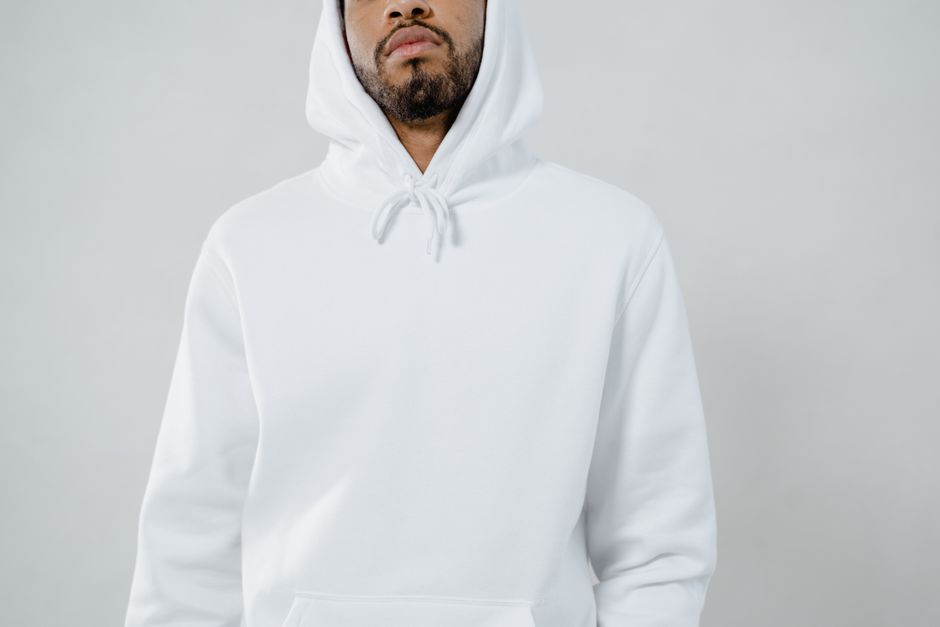
Heavyweight hoodies are not for everyone. If you live in a warm climate, a 500 GSM hoodie is a winter-only piece that sits in your closet 10 months a year. If you run hot, midweight loopback will serve you better. If you want something to throw in a gym bag, lightweight is the practical choice.
The other mistake: buying heavyweight for the aesthetic without understanding the break-in period. Camber and House of Blanks hoodies feel stiff and scratchy for the first 10–15 wears. If you want instant softness, buy brushed fleece and accept the pilling tradeoff. There is no shortcut.
For most people, the Reigning Champ Midweight Terry Hoodie is the best balance of durability, comfort, and fit. For budget buyers, the Camber 231 delivers 90% of the durability at 60% of the price. For the softest possible hoodie, the Everlane Premium Weight wins with the understanding that it won’t last as long.
Buy the hoodie that matches how you actually live, not the hoodie that looks best in a flat lay.