What jacket can you wear in March when the morning feels like winter, the afternoon looks like spring, and your shoes need to work with both? Picture the common problem: you leave home in ankle boots, face cold pavement and damp sidewalks, then spend the afternoon wishing you had worn sneakers. A heavy winter coat feels excessive, but a thin denim layer leaves you cold and underdressed. The solution is not one magical fabric. It is a jacket with the right weight, hem, and surface texture for changing weather.
This guide uses U.S. clothing examples and prices checked for 2026; prices can change by color, size, sale status, and season. No state laws are discussed here. This is not legal advice — consult a licensed attorney.
Why March jackets must solve two weather problems
The 45-to-65-degree problem
March sits in an awkward temperature range. A morning around 45 degrees Fahrenheit calls for coverage over a sweater, while an afternoon near 65 degrees can make insulated outerwear feel bulky. Wind and rain make the same temperature feel colder, so the jacket must handle exposure without turning the outfit into a winter uniform. The strongest choice is a medium-weight layer with room for one thin knit underneath and enough structure to look intentional when worn over a T-shirt.
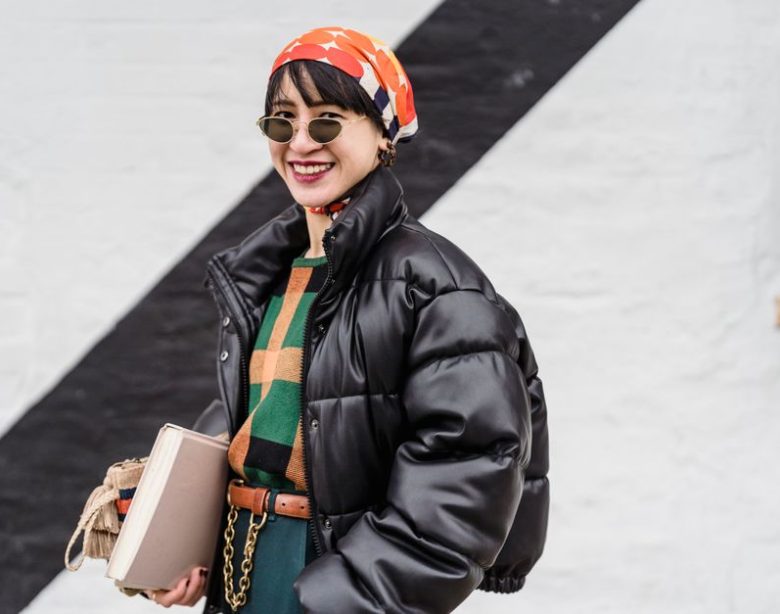
That is why a short puffer is not always the best answer. It solves cold but can look disconnected from slim trousers, loafers, or clean sneakers. A very light cotton jacket solves the visual problem but often fails at the bus stop. March clothing works better when the jacket blocks one major threat—wind, light rain, or chill—while the base layers handle the rest.
Why shoe choice changes the jacket
Boots usually add visual weight below the ankle. Their leather, tread, and taller shaft make a jacket with substance look balanced. Sneakers have a lighter, lower profile, so the same jacket may need a cleaner hem and less rugged hardware. This does not mean boots require a country-style coat or sneakers require sportswear. It means the jacket should share one visual quality with the shoes: texture, color, or level of polish.
Verdict: The best March jacket is a medium-weight layer that blocks wind or light rain, fits over one knit, and has enough visual structure to connect with boots without overwhelming sneakers.
How to choose a jacket that works with both shoe types

Use the three-point test
- Check the shoulder. The shoulder seam should sit at or just beyond your natural shoulder when you wear a thin sweater. A dropped shoulder can look relaxed with sneakers but sloppy with boots.
- Check the sleeve. The cuff should finish near the wrist bone, leaving enough room for a watch or narrow knit cuff. Sleeves that cover half the hand make the whole outfit look borrowed.
- Check the hem. The hem should finish around the high hip, mid-hip, or upper thigh. These lengths are easier to pair with straight jeans, trousers, leggings, and both low sneakers and ankle boots.
A jacket that passes all three tests usually has more styling range than one bought for a single outfit. Try it with the actual trousers you wear most often. A jacket can look excellent over a dress in a fitting room and fail with the jeans that fill your weekly rotation.
Buy for the coldest hour, not the warmest photo
For March, prioritize the first two hours of the day. A jacket that works over a fine-gauge merino sweater can open up later, while a jacket that only works over a T-shirt leaves no solution for a cold commute. Avoid buying a narrow style that forces you to choose between warmth and movement. The extra room should come from a clean cut, not a dramatically oversized body.
Fabric also matters at the cuff and collar. A stand collar helps with wind. A shirt collar looks more polished with trousers and sleek boots. A drawcord hem creates a sporty line that works best with running-inspired sneakers, not refined leather footwear. Verdict: Choose the jacket that passes the shoulder, sleeve, and hem tests over your real March base layer; that fit will adapt to both boots and sneakers.
Which March jacket fabrics handle real spring weather?

Three jackets with defensible specs
The product solution belongs here because fabric choice should follow the weather problem, not a trend photo. It is the strongest style choice for damp, cool days when you want a structured jacket with ankle boots. Waxed cotton has a dry, slightly firm hand and a country influence, so pair it with straight denim or tailored trousers to keep the look current.
Denim gives you the cleanest sneaker pairing and works well on dry afternoons. It is not a rain jacket, and its limited insulation makes it a poor choice for exposed early-morning commutes unless you add a knit layer.
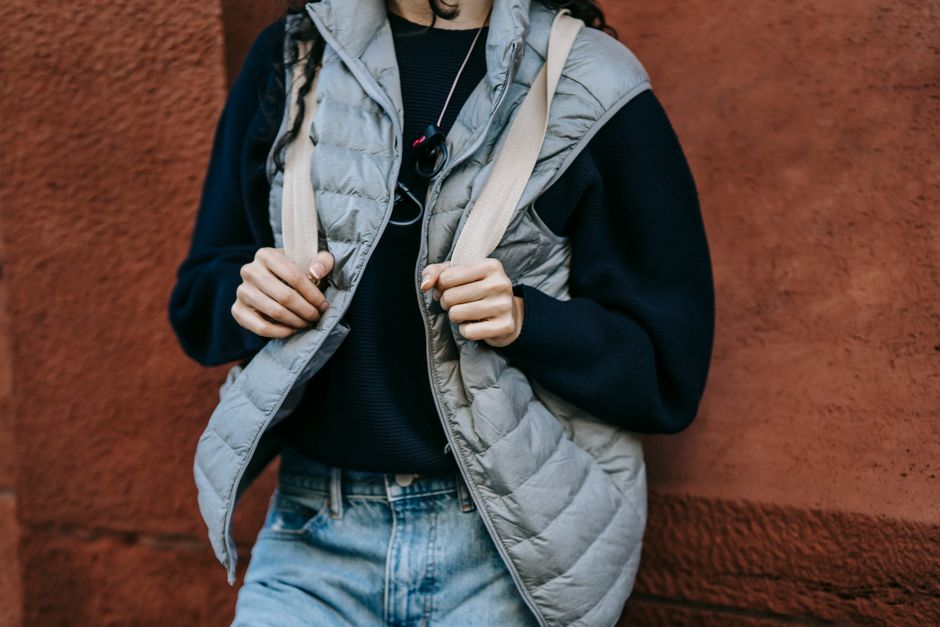
It is windproof, water-resistant, and much better for cold mornings than an unlined denim jacket. Its quilted surface leans outdoorsy, so a straight trouser and simple sneaker keep it from looking like technical hiking gear in the city.
My pick by weather
For wet sidewalks and polished boots, the Barbour Beadnell is the clear winner because the waxed surface and structured shape solve both weather and proportion. For dry days around 55 to 65 degrees, the Levi’s Original Trucker is the best value and the easiest sneaker partner. For cold commutes, choose the Patagonia Nano Puff because its insulation adds real warmth without the bulk of a winter coat.
Read the care instructions before buying waxed cotton, check the return policy for insulated layers, and confirm the current price before checkout. Verdict: Waxed cotton wins for damp polish, denim wins for dry casual outfits, and light synthetic insulation wins for cold mornings.
What mistakes make a March jacket look wrong?
Mistake 1: buying for one temperature
A jacket rated only for cold mornings may become uncomfortable by lunch. A paper-thin layer may look perfect in bright sunshine but fail in wind. The fix is a removable middle layer: a merino crewneck, thin fleece, or cotton cardigan. That system is more useful than buying a jacket with excessive insulation for a month that changes by the hour.
Mistake 2: ignoring shoe scale
A very delicate sneaker under a large, padded jacket can make the lower half disappear. A tall lug boot under a cropped, lightweight jacket can create the opposite problem. Match visual scale before matching color. If the footwear is substantial, choose a jacket with a firm collar, visible seams, or medium-weight fabric. If the sneaker is slim, choose a jacket with a neat hem and limited bulk.
Mistake 3: treating water resistance as waterproofing
Waxed cotton and treated nylon can shed light rain, but they are not automatically built for prolonged downpours. Check the garment label and care instructions. Do not assume a jacket will retain its finish after repeated washing, abrasion, or improper drying. The practical answer for a rainy commute may be a dedicated shell worn over a lighter fashion jacket.
Another common error is choosing a color that only works with one shoe. A jacket that requires brown boots, a brown bag, and warm-toned trousers every time offers less value than a navy, olive, black, or medium-wash option. Verdict: The biggest March errors are poor temperature planning, mismatched visual scale, and confusing light rain protection with full waterproofing.
What is the best one-jacket March formula?
Q: Which jacket is the safest single purchase?
A: For most wardrobes, a high-hip jacket in olive, navy, black, or medium denim is the safest choice. Pick waxed cotton for frequent drizzle, denim for dry days, or light synthetic insulation for cold commutes. Among the named examples, the Barbour Beadnell is the strongest all-weather style choice, while the Levi’s Original Trucker is the strongest casual value. The Patagonia Nano Puff wins when warmth matters more than polish.
Q: When should you not buy a new transitional jacket?
A: Do not buy one if your current jacket already passes the fit test, works over a thin sweater, and covers your most common March weather. A new color will not fix a hem that fights your trousers or a fabric that fails in rain. Spend first on a better base layer, weather-appropriate shoes, or alterations if the jacket only needs sleeve or hem work.
Q: What should the finished outfit communicate?
A: It should look prepared for changing weather without appearing dressed for a different season. The jacket supplies structure, the base layer supplies comfort, and the footwear sets the formality. Boots make the outfit grounded and weather-ready; sneakers make it lighter and more relaxed. The best combination is the one that still looks deliberate after the temperature rises.
Final verdict: Choose a high-hip March jacket with medium weight, calm color, and enough room for one knit, then let boots add texture and sneakers keep the same outfit clean.