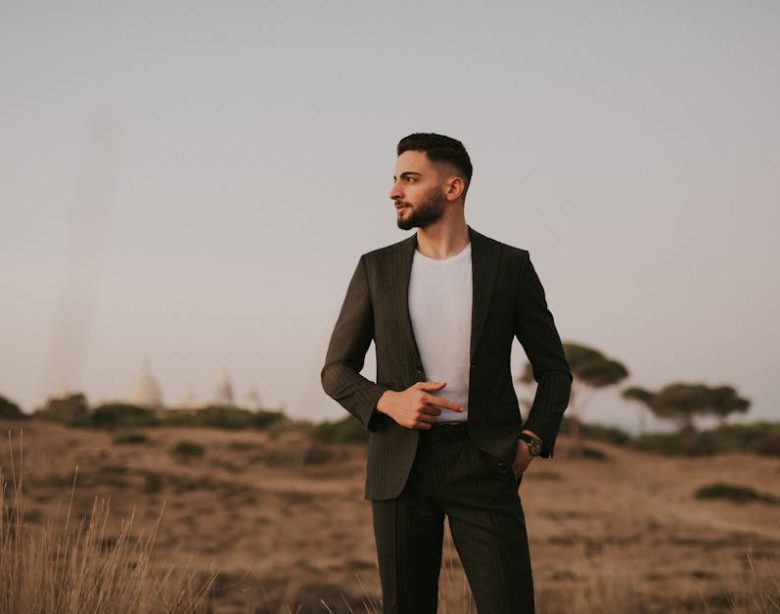
Listen up. You’ve got a wedding invite, and you’re thinking blazer. Good. A well-chosen blazer combo beats a stuffy full suit almost every time these days, especially if you’re not in the bridal party. It’s about striking that balance: sharp, appropriate, but not trying too hard. Most guys get this wrong, showing up either too casual or overdressed. Let’s fix that for you.
Ditch the Full Suit for Most Weddings. Here’s Why.
A full, matching suit is often overkill if you’re just a guest. Unless the invitation explicitly states “black tie” or “formal,” you’ll likely look more polished and modern in a carefully constructed blazer ensemble. It’s not about being underdressed; it’s about being smartly dressed. A blazer offers versatility, allowing you to adapt to the venue, the season, and the overall vibe of the wedding.
Think about it: a full suit can feel restrictive, especially for longer events or outdoor ceremonies. A blazer, paired with contrasting trousers, projects an air of relaxed confidence. It says you put thought into your appearance without appearing like you’re trying to outshine the groom. This approach gives you freedom. You can easily transition from the ceremony to the reception, and even onto the after-party, without feeling constrained. It works for garden weddings, beach weddings (if done correctly), rustic barn weddings, and even most semi-formal ballroom affairs. The key is in the execution — the right fabrics, the right fit, the right accessories. Fail on those, and you’ll look like you just left a business meeting or, worse, like you couldn’t find your matching trousers. Don’t be that guy.
Understanding the Formality Spectrum
- Black Tie Optional/Formal: Stick to a dark blazer (navy, charcoal) with matching trousers if you must, but often a sharp, dark blazer with perfectly tailored grey or black trousers can work. The emphasis is on deep, rich colors and crisp fabrics.
- Semi-Formal/Cocktail: This is where the blazer truly shines. Think navy, grey, lighter blues. Pair these with contrasting chinos, dress trousers, or even well-pressed dark jeans (only if the wedding is very casual). Focus on clean lines and smart accessories.
- Casual/Daytime: Lighter blazers — linen, cotton, in shades of tan, light blue, or even a subtle pattern. Pair with chinos in complementary colors. This allows for more relaxed fabrics and brighter tones, perfectly suited for outdoor, daytime events.
The “Separates” Advantage
Wearing separates means you choose your blazer and trousers independently. This isn’t just about mixing and matching for fun. It allows you to tailor the formality of each piece. A wool blazer with cotton trousers, for example, creates a sophisticated yet slightly less formal look than a full wool suit. It shows intentionality. You’re not just grabbing the first thing off the rack; you’re curating an outfit. This is particularly effective for destination weddings or events that might start more formal and become more relaxed as the day progresses.
The Core Color Combos That Always Work.
Forget trying to reinvent the wheel. Certain color combinations for blazers and trousers are timeless, foolproof, and always appropriate. Master these, and you’ll never look out of place.
-
Navy Blazer, Grey Trousers: The Unbeatable Classic
This is your default, your go-to. A deep, rich navy blazer (single or double-breasted, depending on your preference) with charcoal or medium grey dress trousers is universally flattering and appropriate for almost any wedding that isn’t strictly black tie. The contrast is subtle but effective. It’s sophisticated, it’s clean, and it allows for versatility in your shirt and tie choices. Make sure the grey trousers are a slightly lighter shade than the navy blazer to create visual interest without clashing. Avoid overly light grey with a dark navy; it can look disjointed.
-
Charcoal Blazer, Black Trousers: The Understated Formal
For something a bit more subdued but still incredibly sharp, a charcoal grey blazer with black trousers is a solid choice. This combination works well for evening weddings or those where you want to lean into a more formal aesthetic without wearing a full black suit. The charcoal softens the look slightly compared to a stark black blazer, adding depth. Ensure both pieces are well-fitted and the fabrics have a similar level of refinement. A crisp white shirt is almost mandatory here.
-
Tan/Cream Blazer, Navy/White Trousers: The Warm-Weather Winner
Headed to a summer wedding or a destination ceremony? A tan or cream-colored blazer is your friend. Pair it with navy trousers for a classic nautical-inspired look, or with crisp white trousers for maximum summer elegance. This combination feels fresh, light, and perfectly suited for brighter environments. Linen or cotton blazers are ideal here. Keep the rest of your outfit — shirt, shoes — light and breathable to match the vibe. Avoid this combo in colder months; it will look out of place.
-
Light Blue Blazer, Khaki/Brown Trousers: The Spring/Casual Option
For a less formal, more relaxed wedding, especially in spring or early fall, a light blue blazer (think sky blue or a slightly dusty blue) paired with khaki or light brown chinos can be exceptionally stylish. This combination exudes effortless charm. It’s approachable but still put-together. Ensure the chinos are well-fitted, not baggy, and ironed perfectly. This isn’t an excuse for sloppy dressing; it’s about relaxed elegance.
Fabric & Formality: Getting The Texture Right.
The fabric of your blazer and trousers dictates the formality and often the comfort. Getting this wrong means looking out of place, no matter how good the colors are. Texture matters just as much as hue.
Wool: The All-Season Workhorse
For most formal to semi-formal weddings, a wool blazer is your best bet. It drapes well, resists wrinkles, and looks inherently sophisticated. Opt for a fine merino wool or a wool blend. For warmer weather, consider a “tropical wool” — a lighter, more breathable weave that still offers the elegance of traditional wool. For colder months, a slightly heavier wool or even a subtle tweed (if the wedding is rustic or very informal) can work. The key is to ensure the trousers complement the wool blazer in terms of weight and finish; you don’t want a heavy wool blazer with flimsy cotton trousers.
Linen & Cotton: The Warm-Weather Staples
When the sun is out and the temperatures are up, linen and cotton are indispensable. A linen blazer, with its characteristic slubby texture and tendency to wrinkle (which is part of its charm for casual events), is perfect for beach or garden weddings. Cotton blazers offer a cleaner look than linen but still provide breathability. Pair these with cotton chinos or linen trousers. The casual nature of these fabrics means they’re best suited for daytime or outdoor weddings where the overall vibe is relaxed. Never try to pass off a linen blazer at a formal evening event; it just won’t work.
Other Fabrics: Proceed with Caution
- Tweed: Excellent for rustic, outdoor, or country-style weddings in colder months. It’s inherently casual but incredibly stylish when appropriate. Pair with corduroys or wool trousers.
- Velvet: This is a bold choice, usually reserved for evening events or very specific themes. A dark velvet blazer (black, navy, deep green) can be stunning with black trousers, but it carries a significant risk of looking over-the-top if not executed perfectly.
- Silk/Silk Blends: Rare for blazers, but some summer blends might incorporate silk for a subtle sheen. Ensure it doesn’t look too shiny or cheap.
Shirt, Tie, & Pocket Square: The Non-Negotiables.
You can nail the blazer and trousers, but if your shirt, tie, and pocket square are off, the whole look crumbles. These are not afterthoughts; they’re integral. They tie the outfit together, literally and figuratively.
The Foundation: Your Shirt Choice
Always go for a crisp, well-fitting dress shirt. White is always safe. Light blue is another excellent choice, especially with navy or grey blazers. Consider subtle patterns like fine stripes or a small check for a bit of personality, but nothing too loud. The fabric should be high quality — poplin, twill, or oxford cloth (for more casual settings). Ensure the collar stands up correctly and the sleeves are the right length. A spread collar or semi-spread collar works well with a tie; a button-down collar can be more versatile if you’re skipping the tie.
To Tie or Not to Tie?
Most weddings warrant a tie. It elevates the look and signals respect for the occasion. Silk ties are the standard. Choose colors and patterns that complement your blazer and shirt without being identical. Solid ties in rich colors (burgundy, forest green, deep blue) are excellent. Subtle patterns like paisleys or small geometrics work too. For more casual summer weddings, a linen or knit tie can be a stylish alternative. If the wedding is very casual — think beach or backyard — you might skip the tie, but always unbutton your top two shirt buttons for a relaxed, open collar look.
The Finishing Touch: The Pocket Square
A pocket square is non-negotiable. It adds polish and personality. It doesn’t need to perfectly match your tie; in fact, it shouldn’t. Aim for a complementary color or pattern. A classic white linen or cotton pocket square, folded simply (a straight presidential fold or a single puff), works with virtually everything. For more flair, choose a silk square with an interesting pattern or color that picks up a subtle hue from your shirt or tie. Never use the same fabric and pattern for your tie and pocket square; that’s a rookie mistake.
Footwear & Belts: Anchor Your Look.
Don’t mess this up. Your shoes and belt are the anchors of your entire outfit. They need to match, and they need to be impeccable. Period.
Shoes: The Ultimate Decider
For most wedding blazer combinations, stick to classic leather dress shoes. Oxfords, Derbies, or Monk Straps are your safest bets. Brown leather shoes are incredibly versatile and pair well with navy, grey, and tan blazers. Black leather shoes are best with charcoal, black, or very dark navy combinations for a more formal feel. Loafers can work for more casual or destination weddings, especially suede options, but ensure they are refined and not overly casual. Always make sure your shoes are polished and scuff-free. Scuffed shoes ruin the entire effort.
Belts: The Matching Rule
Your belt should always match your shoes in color and approximate finish. Brown shoes, brown belt. Black shoes, black belt. It’s that simple. Choose a slim, elegant leather belt with a subtle buckle. Avoid chunky belts or overly ornate buckles; they detract from the sophistication. If you’re wearing trousers that fit perfectly without a belt, you might consider skipping it for a cleaner line, but only if the trousers are designed to be worn without one (e.g., side adjusters).
Seasonal Adjustments: Don’t Look Out of Place.
Showing up in a heavy tweed blazer at a July beach wedding is a cardinal sin. Dress for the season, always. It’s not just about comfort; it’s about looking appropriate. Here’s a quick rundown of what works when:
| Season | Recommended Blazer Fabrics | Ideal Blazer Colors | Trouser Pairings | Key Considerations |
|---|---|---|---|---|
| Spring | Lightweight Wool, Cotton, Linen-Blends | Light Blue, Tan, Medium Grey, Sage Green | Khaki Chinos, Light Grey Dress Trousers, Navy Chinos | Embrace lighter colors. Subtle patterns (checks, plaids) can work. |
| Summer | Linen, Seersucker, Cotton, Tropical Wool | Cream, Tan, Light Blue, White (bold) | White Chinos, Navy Trousers, Light Khaki, Seersucker | Prioritize breathability. Embrace wrinkles with linen. |
| Fall | Wool, Tweed, Corduroy, Heavier Cotton | Navy, Forest Green, Burgundy, Charcoal Grey, Brown | Wool Trousers (grey, brown), Dark Wash Jeans (casual), Corduroys | Layering becomes an option. Richer, deeper tones. |
| Winter | Heavy Wool, Flannel, Tweed | Deep Navy, Charcoal Grey, Black, Dark Brown | Heavy Wool Trousers (flannel, worsted), Dark Dress Trousers | Focus on warmth and texture. Formal, deep colors. |
It’s common sense, really. You wouldn’t wear a parka in August, so don’t wear a heavy wool blazer to an outdoor July wedding. Adapt your fabrics and colors to the climate and the event’s setting. This ensures you’re not just looking good, but feeling good, which translates to genuine confidence.
Getting your wedding blazer combination right is about attention to detail, not just throwing on a jacket. Choose your fabrics, colors, and accessories with purpose. Always.