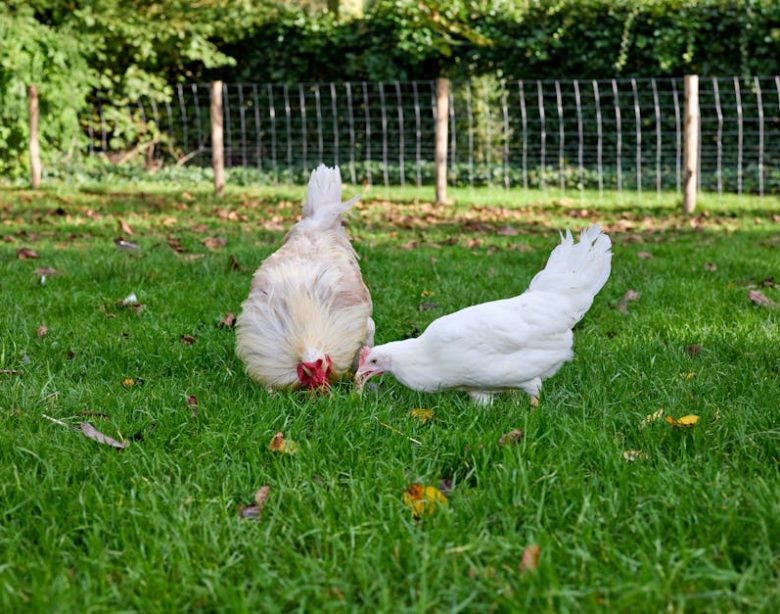
The intersection of Caribbean sound system culture and high-fashion eccentricity is an unlikely place to find a wardrobe revolution, yet the phrase “best dressed chicken in town” has evolved from a 1970s reggae lyric into a legitimate sartorial philosophy. To master the feathered aesthetic is to balance the flamboyant with the functional, starting with a single statement accessory rather than a full plumage. I have spent years experimenting with high-texture garments, and the biggest mistake I see is people over-investing in low-quality synthetic feathers that lose their shape after a single wear. The goal is movement and depth, not looking like a literal craft project. Whether you are leaning into the 1970s-inspired “peacocking” trend or looking for high-end ostrich trims, the secret lies in the weight of the material and the integrity of the attachment.
Texture is the final frontier of personal style. We have mastered color blocking and oversized silhouettes, but the tactile dimension of feathers adds a level of sophistication that flat fabrics simply cannot replicate. When I first started incorporating these pieces into my wardrobe, I was terrified of looking like I was wearing a costume. However, by balancing the soft, organic lines of feathers with structured tailoring—think a sharp blazer over a feather-trimmed camisole—you create a contrast that feels intentional and modern. It is about the juxtaposition of the soft and the sharp, a visual dialogue between the rigid and the ethereal.
The Cultural Roots: From “Uptown Top Ranking” to the Runway
The term “best dressed chicken in town” finds its origins in the 1977 hit song “Uptown Top Ranking” by Althea & Donna. While the lyrics refer to a specific type of confidence and street-smart style in Kingston, the fashion world has adopted the phrase to describe anyone who isn’t afraid to use volume and texture to announce their presence. This aesthetic isn’t just about wearing feathers; it’s about the “top ranking” mentality—the idea that your clothing is a form of social armor. In the late 70s, this meant flared trousers and bold collars; today, it translates to the use of plumes to break the visual monotony of digital-age minimalism.
Designers have long looked to avian silhouettes for inspiration, but the current revival is less about literal bird mimicry and more about the “strut.” When we look at the history of the “best dressed chicken,” we see a lineage that travels through the flamboyant stage wear of Elton John and the avant-garde experiments of Alexander McQueen. These designers understood that feathers are not merely decorative; they are architectural. They change the way air moves around the body, creating a halo effect that commands attention without the need for loud logos or neon colors.
Choosing the Right Feathers: Synthetic vs. Natural Plumes

The first decision you will face when hunting for feathered fashion is the source of the trim. Not all feathers are created equal, and the physics of the plume dictates how the garment will behave in motion. In my experience, ostrich feathers are the gold standard for high-fashion applications. They have a natural, wispy movement that responds to the slightest breeze because they lack the “hook” structure of flight feathers. Marabou, which often comes from turkeys, is much denser and fluffier, providing a more vintage, Old Hollywood glamour feel. If you are looking for that “best dressed chicken” vibe, you might even look at rooster hackle feathers, which have a beautiful iridescent sheen and a stiffer structure perfect for collars or shoulder details.
Synthetic feathers have improved significantly over the last few seasons, but they still struggle with static and weight. I’ve noticed that faux plumes tend to clump together in humid environments, which can ruin the silhouette of a dress. If you choose synthetic, look for pieces where the fibers are treated with an anti-static coating. Natural feathers, while more expensive, offer a breathability and a lightness that synthetic fibers can’t match. You aren’t just paying for the look; you are paying for the way the garment breathes against your skin. A natural plume will “bounce” back after being compressed; a synthetic one often stays flat.
Quick Comparison of Popular Feather Trims
| Type | Best For | Durability | Price Point | Maintenance Level |
|---|---|---|---|---|
| Ostrich | Evening gowns, cuffs | High (with care) | Premium ($200+) | High (Steam only) |
| Marabou | Boleros, trim | Medium | Moderate ($50-$150) | Medium (Shake out) |
| Rooster Hackle | Streetwear, accessories | High | Moderate ($40-$100) | Low (Very hardy) |
| Synthetic Plumes | Fast fashion, rave wear | Low | Budget ($15-$40) | High (Tangles easily) |
Essential Care for Feathered Garments and Accessories
Maintenance is where most people fail. You cannot simply throw a feathered piece into a standard wash cycle and expect it to survive. I learned this the hard way when a beloved feather-trimmed skirt came out of a delicate cycle looking like a drowned rat. To keep your pieces looking like the best dressed chicken in town, you need a dedicated care routine. Steam is your best friend, but heat is your enemy. Use a handheld steamer held at least six inches away from the feathers to fluff them back to life after storage. The moisture helps the individual barbs of the feather expand without damaging the quill.
Storage is equally critical. Never store feathered items in plastic bags or cramped closets where they are crushed against other garments. Feathers are organic material; they need to breathe and maintain their “loft.” If trapped in plastic, they can develop a musty odor or even mold if there is any residual moisture in the air. I recommend using breathable cotton garment bags and hanging the item on a padded hanger. If a feather gets bent, do not try to iron it. Instead, hold it over the steam from a teakettle for a few seconds and gently stroke it back into place with your fingers. It is a slow process, but it preserves the life of the garment for years.
How to Spot Clean Feather Trims
- Isolate the Fabric: Identify the stain on the base fabric (silk, polyester, etc.) without touching the feathers. Use a clip to move feathers away from the work area.
- Detergent Choice: Use a mild, pH-neutral detergent and a soft cloth to dab the fabric. Avoid bleach or harsh chemicals that can strip the natural oils from nearby feathers.
- Feather Cleaning: If the feathers themselves are soiled, use a very small amount of baby shampoo on a damp cloth. Gently wipe in the direction of the feather growth.
- Drying: Pat dry with a microfiber towel—never rub. Rubbing causes the barbs to interlock and mat.
- The Fluff: Use a hair dryer on the “cool” and “low” setting to fluff the feathers as they dry. This mimics the natural wind and prevents clumping.
Top Retailers for Avian-Inspired Statement Pieces
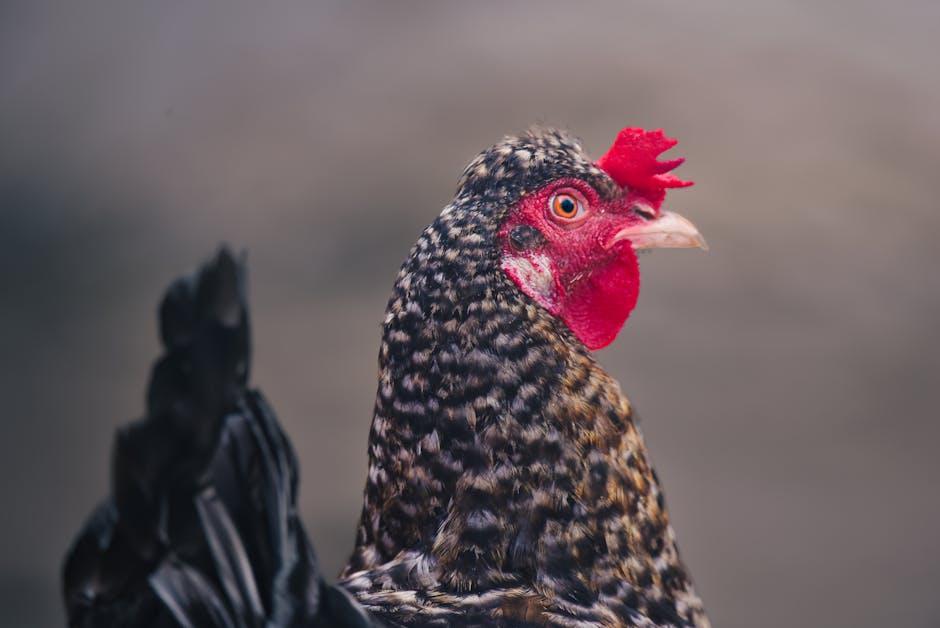
Finding quality feathered fashion requires knowing where to look. Many high-street brands offer feather-look items, but for the real deal, you often have to look toward specialty retailers found on platforms like Awin-affiliated stores. ASOS frequently carries feather-trimmed party wear that is surprisingly robust for the price. For example, the ASOS DESIGN Feather Bolero (typically around $65) is a fantastic entry-point piece. Specs: 100% Marabou feathers, cropped length, hook-and-eye front fastening. Pros: High volume, very photogenic, affordable. Cons: Significant shedding during the first few wears; the dye can transfer to lighter fabrics if it gets damp.
On the luxury end, Selfridges and Harvey Nichols carry brands like Huishan Zhang, who is essentially the master of the modern feather. His dresses, like the Elodie Feather-Trimmed Midi (approx. $1,400), feature ostrich plumes that are individually dyed to match the silk of the dress. Specs: Silk-crepe base, 100% ostrich feather trim, concealed zip. Pros: Impeccable craftsmanship—the feathers are secured in a way that minimizes shedding; the silhouette is timeless. Cons: Prohibitive price point; requires specialized professional cleaning that can cost upwards of $100 per session.
The Ethics of Plumes: Navigating the Sustainable Feather Market
As we move toward a more conscious fashion industry, the ethics of using animal products like feathers cannot be ignored. For the “best dressed chicken” to feel truly good in their skin, they must understand where their plumes come from. Many luxury brands now adhere to the “Five Freedoms” of animal welfare, ensuring that feathers are a byproduct of other industries rather than the primary reason for a bird’s existence. Ostrich feathers, for instance, are often harvested during the molting season or as a byproduct of the leather industry.
If you are concerned about animal welfare, look for “cruelty-free” certifications or opt for vintage pieces. Buying vintage feathers is perhaps the most sustainable way to embrace this trend. Because feathers are incredibly durable if kept dry, pieces from the 1950s and 60s often look as good as new. When shopping on resale platforms like Vestiaire Collective or Depop, look for descriptions that mention “no balding” or “minimal shedding,” as these are indicators that the organic material has been stored correctly over the decades.
The Psychology of Bold Textures in Streetwear
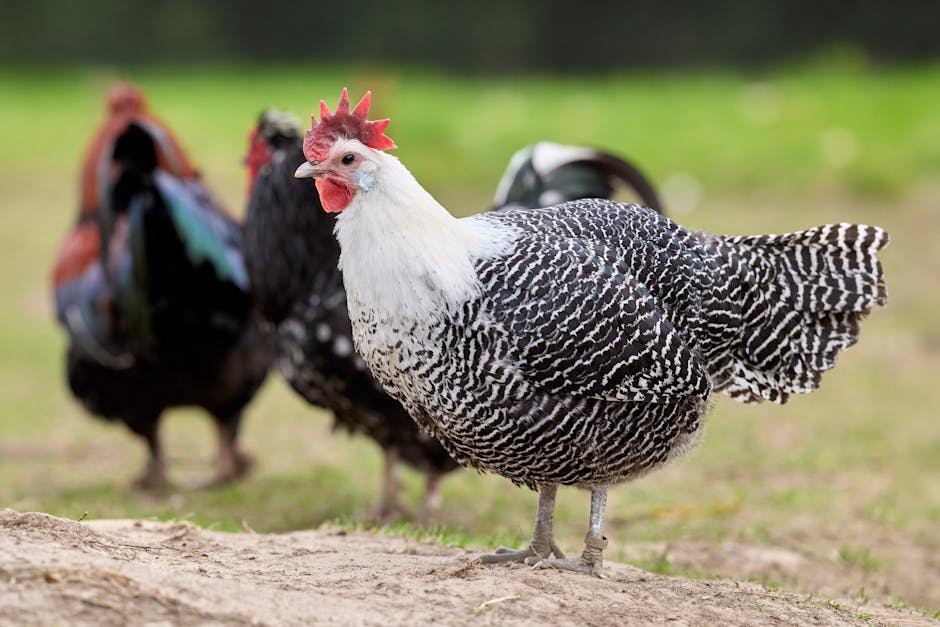
Why do we gravitate toward feathers? There is a psychological element to “peacocking.” In fashion, wearing feathers is a signal of confidence and a refusal to blend into the background. It is a nod to the flamboyant styles of the 1970s, specifically influenced by the “Best Dressed Chicken in Town” culture—a mix of reggae-infused bravado and sharp, textured tailoring. When you wear something that moves and catches the light, you change the way you occupy space. You become more aware of your movements because the garment reacts to them. This creates a feedback loop of confidence; the more the garment moves, the more purposeful your gait becomes.
In modern streetwear, we are seeing a shift away from flat logos and toward tactile interest. Designers are using feathers to break up the monotony of oversized hoodies and technical fabrics. I’ve seen incredible outfits that pair a heavy, tactical vest with delicate feather trim along the hem. This “high-low” styling is what keeps the look from feeling too precious. It is about taking something traditionally associated with evening wear and dragging it into the grit of the street. It is unexpected, and in fashion, the unexpected is the only thing that truly matters. It challenges the viewer’s perception of what is “masculine” or “feminine,” “formal” or “casual.”
Incorporating Poultry-Themed Motifs Without Looking Like a Costume
If actual feathers are too much for your daily commute, you can still embrace the “best dressed chicken” aesthetic through prints and motifs. Rooster prints and gallus gallus patterns have seen a resurgence in luxury silk scarves and button-downs. Brands like Gucci and Casablanca have leaned heavily into bird-of-prey and farmyard motifs in recent seasons. The trick to styling these is to keep the rest of the outfit incredibly neutral. If you are wearing a silk shirt covered in vibrant roosters, pair it with charcoal wool trousers or dark denim. The shirt should be the conversation piece, not the entire conversation.
Color palette is another way to channel this look. Think of the natural colors of a heritage breed chicken: deep burgundies, burnt oranges, eggshell whites, and iridescent greens. By building an outfit around these tones, you evoke the aesthetic without needing a single plume. I often recommend a “mustard and mahogany” pairing for autumn—it feels rich, grounded, and subtly nods to the avian inspiration. Accessories like a high-shine patent leather boot can mimic the glossiness of healthy feathers, providing that textural “pop” without the maintenance of actual trim. High-shine finishes reflect light in a similar way to the iridescent feathers of a rooster’s tail, giving you that “top ranking” glow.
Practical Gear for the Literal Best Dressed Chicken
We cannot discuss the best dressed chicken in town without acknowledging the growing world of literal poultry fashion. For those who actually own chickens, “dressing” them is often a matter of health rather than just style. Chicken saddles, or hen savers, are a major category here. These are small fabric “aprons” that protect a hen’s back from feather loss during mating or from aggressive pecking within the flock. But just because they are functional doesn’t mean they can’t be fashionable. A well-dressed hen is a protected hen, and in the world of backyard farming, this is the ultimate luxury.
The Hen Saver Chicken Saddle with Wing Protectors (approx. $18) is the industry leader. Specs: Double-layered 12oz cotton canvas, elastic straps, reinforced stitching. Pros: Extremely durable, protects against hawk talons and “rooster burn,” machine washable. Cons: Your chicken might spend the first twenty minutes walking backward trying to figure out what is on her back; the elastic can wear out after a year of heavy use. For those looking for pure aesthetics, brands on marketplaces like Etsy offer tutus and even tiny hats for poultry. While I don’t recommend hats for long-term wear—chickens need their full field of vision to stay safe—a well-fitted saddle is a genuine way to ensure your backyard flock is the best dressed in the neighborhood while staying protected.
Standard Specs for Chicken Saddles
- Material: Double-layered canvas or denim for maximum durability against pecking.
- Attachment: Elasticated armholes (must be soft, high-quality elastic to prevent chafing under the wings).
- Sizing: Small (Bantam), Standard (Rhode Island Red size), Large (Brahma or Jersey Giant size).
- Feature: Reflective strips are a pro for free-range birds in the evening, making them visible to owners.
- Maintenance: Machine washable on a cold cycle, but air dry only to prevent shrinking the canvas.
Common Mistakes When Dressing Like the Best Dressed Chicken
The most frequent error I see in feathered fashion is the “over-plume.” When you wear a feather jacket, feather skirt, and feather-trimmed shoes simultaneously, you lose the architectural impact of the material. It becomes a costume. Instead, choose one focal point. If the jacket is the star, keep your trousers sleek and matte. Another mistake is ignoring the “shed factor.” Always carry a small lint roller when wearing lower-priced marabou; while you want to look like the best dressed chicken, you don’t want to leave a trail of feathers that makes it look like a fox just visited the room.
Finally, pay attention to weather conditions. Feathers and rain are a disastrous combination. Moisture causes the barbs to collapse and stick to the quill, stripping the garment of its volume. If you are caught in a downpour, do not rub the feathers dry. Shake the garment gently and hang it in a room with a dehumidifier. Once it is mostly dry, use the cool-blow-dry technique mentioned earlier to restore the loft. Being the best dressed chicken requires a level of environmental awareness that standard cotton or wool dressing simply does not demand.
Investing in one high-quality ostrich feather accessory is better than buying five cheap synthetic versions that will end up in a landfill after the feathers mat and clump.
Whether you are dressing yourself in high-fashion ostrich plumes or protecting your backyard hens with a custom-printed saddle, the “best dressed chicken” philosophy is about embracing the bold and the functional simultaneously. It is a niche, certainly, but it is one that rewards the brave. Start small, focus on quality materials, and never underestimate the power of a well-placed feather to transform a look from ordinary to extraordinary. In a world of flat, digital screens, being the most textured person in the room is the ultimate style statement.