
Most capsule wardrobes fail within six weeks. Not because you picked bad clothes, but because you built a spreadsheet, not a system. The average person wears 20% of their closet 80% of the time. A 30-piece capsule flips that ratio on purpose.
I’ve rebuilt my closet three times since 2026. The first attempt was a disaster. The second was better but still had dead weight. The third version is what I’m writing about now. It’s not a list of “must-have basics” you’ll screenshot and forget. It’s a decision framework.
This guide assumes one thing: you want to get dressed faster, spend less money per wear, and actually like everything hanging in front of you. If that sounds obvious, good. Most people still don’t do it.
First, Kill the “Neutral Everything” Myth
Every capsule wardrobe article on Pinterest tells you to buy beige, cream, black, and navy. Then you wear the same oatmeal sweater for a week and wonder why you feel like a hospital waiting room. The problem isn’t color. It’s contrast.
A functional 30-piece wardrobe needs a dominant neutral base plus a signature accent family. That accent family is what makes the capsule feel like you, not like a Uniqlo mannequin. For me, it’s rust, olive, and a specific shade of cobalt blue. For you, it might be burgundy, forest green, or dusty pink. The rule is simple: pick two accent colors that work together and with your neutrals. Then refuse to buy anything outside those two families for a season.
This single rule eliminates 60% of impulse purchases. If the shirt isn’t in your color family, it doesn’t matter how good the sale is. It won’t mix with the other 29 pieces.
What If You Already Own Too Many Colors?
Don’t throw anything out yet. Do a reverse test. For two weeks, wear only outfits that fit your chosen neutral + accent palette. If you reach for something outside that palette more than three times, it stays. If you never reach for it, put it in a box under your bed. Revisit in 30 days. Most people retrieve nothing from the box. That’s your answer.
The 30-Piece Breakdown: Exact Categories That Earn Their Place

Here’s the structure I use. It’s not theoretical. It’s based on a 7-day week where you do laundry once, maybe twice. Each category has a job, and the numbers reflect how often you’ll actually wear it.
| Category | Pieces | Why This Number | Example (Real Product) |
|---|---|---|---|
| Outerwear | 4 | Covers 4 seasons and 3 formality levels without overlap | Everlane ReNew Long Liner, Aritzia Super Puff Shorty, COS Wool Overshirt, Uniqlo Blocktech Parka |
| Tops (long sleeve + short sleeve) | 8 | One per day of week plus one spare for laundry day | Uniqlo U Crew Neck Tee ($19.90), COS Heavyweight Cotton Tee, Everlane Supima Micro-Rib Tee |
| Mid-layers (sweaters, cardigans) | 4 | Worn over tops, under outerwear; 4 gives you rotation without bulk | Everlane Cashmere Crew ($168), Arket Merino Half-Zip, COS Cropped Wool Cardigan |
| Bottoms | 6 | 2 jeans, 1 trouser, 1 skirt or second trouser, 1 casual pant, 1 short | Levi’s 501 ’90s ($108), Everlane Way-High Drape Pant, COS Wide-Leg Chino, Uniqlo Heattech Leggings |
| Dresses / jumpsuits | 3 | One casual, one work-capable, one wildcard you actually love | Reformation Veda Dress, COS Column Dress, Aritzia Wilfred Twirl Dress |
| Shoes | 5 | Daily walker, work shoe, weather boot, sneaker, one “dress up” option | Veja Campo Sneakers, Dr. Martens 1461 Oxfords, Blundstone 550 Boots, Birkenstock Boston Clog |
That’s 30 pieces. The table is the skeleton. The hard part is not filling it with things that are “fine.” Every piece has to earn its spot by working with at least three other pieces in the capsule. If a sweater only goes with one pair of pants, it’s dead weight. Cut it.
The “Three Outfit Test” Rule
Before adding any new piece, mentally build three full outfits using items you already own. Not hypothetical future purchases. Right now. If you can’t build three, don’t buy it. This test killed my habit of buying statement pieces that sat unworn because they didn’t actually coordinate with anything.
Fabric Is the Real Filter
Here’s the thing nobody tells you: a capsule wardrobe lives or dies by fabric, not color or silhouette. A cheap poly-blend sweater looks tired after four washes. A thick cotton tee from COS looks better at month six than day one. If you’re going to wear something 30 times a year, the fabric matters more than the price tag.
My rule: no more than 20% synthetic in anything that touches your skin directly. That means tees, sweaters, dresses, and most pants. Outerwear and technical pieces get a pass because polyester actually serves a function there (water resistance, wind blocking). But a 100% acrylic sweater? Hard no. It pills by March, traps heat weirdly, and feels like a garbage bag against your neck.
Specific Fabrics Worth Paying For
- Supima or Pima cotton — longer staple fibers, resists pilling, holds shape. Everlane’s Supima tees ($30) are the baseline. Uniqlo U tees ($19.90) are the budget alternative.
- Merino wool (18.5 micron or finer) — regulates temperature, doesn’t stink after one wear, packs small. Arket and COS both do good merino half-zips around $90-120.
- Cashmere (2-ply minimum) — Everlane’s cashmere crew at $168 is 2-ply and holds up. Anything cheaper is usually 1-ply and will develop holes at the elbows within a season.
- Lyocell / Tencel — drapes like silk, washes like cotton, doesn’t wrinkle badly. Reformation uses it heavily in their dresses.
Skip rayon and viscose if you can. They shrink unpredictably and wrinkle if you breathe on them. The only exception is high-quality viscose from brands like COS that pre-wash their fabric before cutting.
The Mistake That Kills Every Capsule
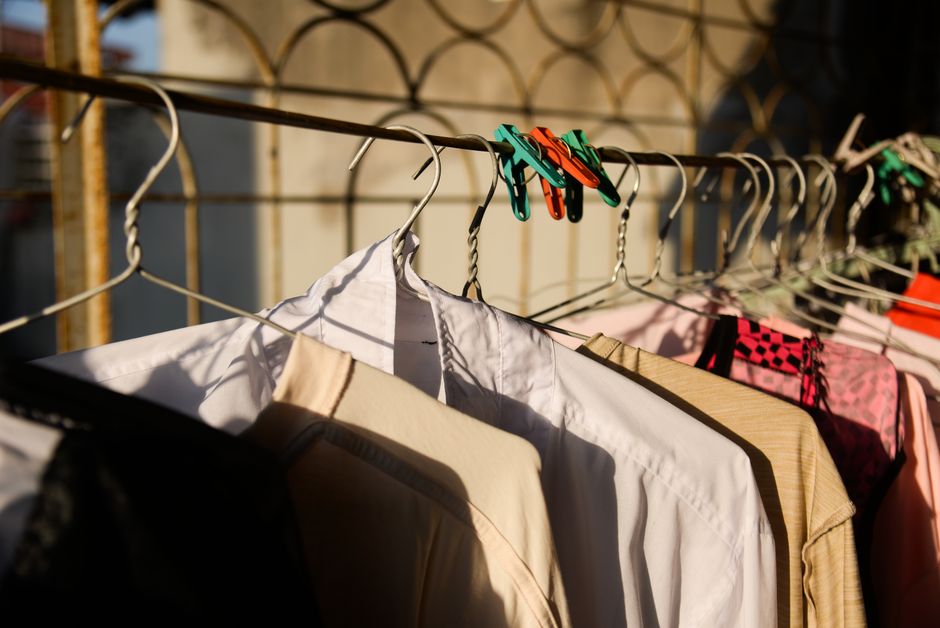
Buying for your fantasy life. You know the one. The version of you that goes to gallery openings in Paris, attends rooftop dinners, and spends weekends at a cabin in the woods. That person needs a silk slip dress, a cashmere turtleneck, and leather Chelsea boots.
You do not need those things.
Build for the life you actually have. If you work from home three days a week, you need more casual pants and fewer blazers. If you live in a rainy city, a waterproof shell beats a wool coat every time. If you never go to formal events, you don’t need a formal dress. One “elevated casual” dress covers 90% of occasions.
I learned this the hard way. I owned four blazers for two years. I wore one of them twice. The rest hung in my closet like expensive ghosts. Now I own one blazer — an oversized COS wool one — and it gets worn weekly because it works with jeans, trousers, and even over a dress.
How to Audit Your Actual Life
Open your calendar for the last 30 days. Count the days by category: work, casual, social, active, travel. That ratio is your capsule ratio. If you spend 60% of your time in casual settings, 60% of your wardrobe should be casual. Most people build the inverse. That’s why they feel like they have nothing to wear.
Alternatives: When a 30-Piece Capsule Is the Wrong Move
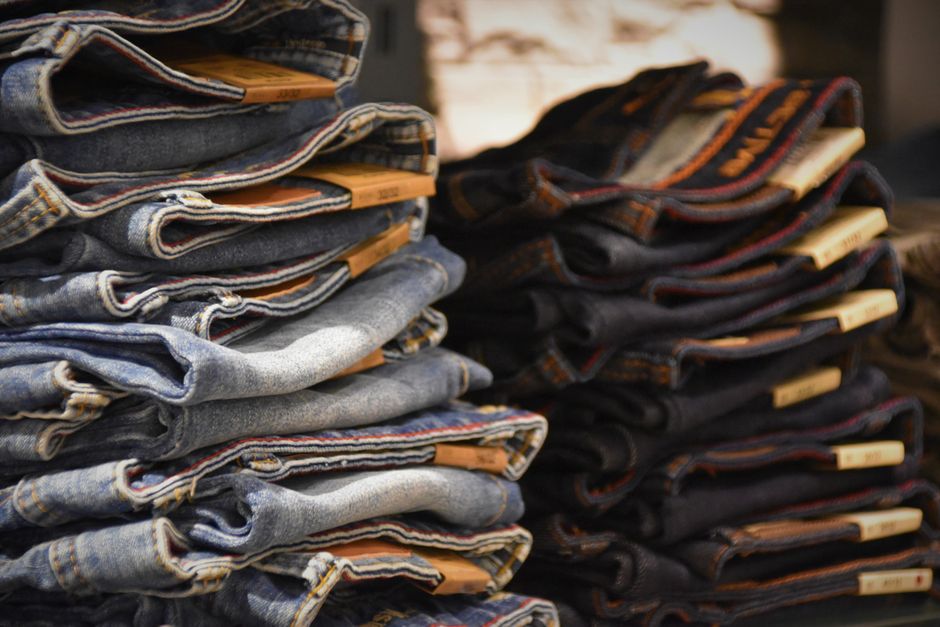
A 30-piece wardrobe isn’t for everyone. If your weight fluctuates more than 10 pounds a year, a rigid capsule will frustrate you. You need flexibility, not minimalism. In that case, build a 50-piece core wardrobe with more size-flexible pieces like wrap dresses, elastic-waist trousers, and oversized knits.
If you work in a creative field where personal style is part of your professional identity, a strict capsule can flatten your expression. The solution isn’t to abandon the system. It’s to expand the accent color family and add 5-10 “signature” pieces that rotate seasonally. Think of it as a capsule with a rotating gallery wall.
And if you’re a parent with young kids, forget white anything. Swap white tees for heathered gray or navy. Swap delicate cashmere for washable merino. The principles stay the same; the materials change.
That’s the whole point. The 30-piece number is a constraint that forces better decisions. It’s not a law. If 40 pieces serves your life better, build 40. But build with intention, not accumulation.
The wardrobe that works is the one where you can close your eyes, pick any top, any bottom, any layer, and know it’ll look intentional. That’s not magic. It’s math. And the math only works if you’re honest about your life, your climate, and your actual taste — not the taste you wish you had.