You’ve seen the images. The effortlessly chic individual in a head-to-toe single color. Maybe it’s all black, all cream, or an elegant spectrum of blues. You try it. You pull out your favorite black trousers, a black top, a black blazer. You look in the mirror. Something’s off. It feels… flat. Uninspired. You aimed for sophisticated minimalism, but landed on slightly dull. What went wrong? The monochrome outfit is a powerful style statement, but achieving it successfully requires more than just matching colors. It demands intention.
Why Your All-Black Outfit Falls Flat
Many people gravitate toward monochrome for its perceived simplicity. The idea is sound: one color, less to think about. Yet, the execution often misses the mark. An all-black ensemble, for example, can easily become a void if not handled correctly. It loses definition. Your silhouette disappears. The individual pieces blend into a single, uninteresting mass.
The Monochromatic Misconception
The biggest mistake in monochrome dressing is believing it means every single item must be the exact same shade. This isn’t just incorrect; it’s detrimental. Identical shades, especially in flat fabrics, remove all visual breaks and points of interest. Your eye glides over the outfit without pausing. This creates a one-dimensional effect. The goal isn’t sameness, but harmony within a color family.
Avoiding the One-Dimensional Trap
To prevent your monochrome look from becoming a flat canvas, you must introduce variation. Think of it like painting. Even a single color can have different tones and textures. A deep charcoal gray next to a lighter ash gray adds dimension. A matte fabric juxtaposed with a shiny one creates contrast. Without these subtle shifts, your outfit lacks the depth needed to truly stand out. It becomes uniform, not refined.
The Psychology of Monochromatic Dressing
Monochrome isn’t merely a fleeting trend; it’s a strategic choice with undeniable psychological impacts. A well-executed tonal outfit communicates clear messages before you even speak. It’s a language of confidence and considered style, deeply rooted in how we perceive visual continuity and simplicity. This approach transcends mere aesthetics, influencing both how you feel and how others perceive you.
Projecting Confidence and Authority
A single, cohesive color palette creates an unbroken visual line. This streamlines your silhouette. It eliminates the visual choppiness that disparate colors can introduce. This continuity projects an image of cohesion and control. Think of professional uniforms or iconic power suits. The lack of distraction signals focus and serious intent. It suggests an individual who is deliberate in their choices, extending beyond just their clothing. This translates directly into a perception of confidence and quiet authority.
The Illusion of Height and Sophistication
The uninterrupted vertical line created by monochromatic dressing visually elongates the body. Without horizontal color breaks, the eye travels smoothly from head to toe. This creates an illusion of greater height and a more slender profile. Beyond the physical perception, this visual flow contributes to an overall sense of sophistication. It feels intentional, polished, and effortlessly chic. The simplicity itself becomes a statement of refined taste, suggesting a discerning eye that values understated elegance over overt flashiness. It’s about impact through subtlety.
Streamlining Decision Fatigue
On a more practical level, embracing a monochromatic wardrobe simplifies daily dressing. Choosing pieces within a single color family reduces the cognitive load associated with outfit planning. You spend less time worrying about whether colors clash. This efficiency frees up mental energy. It allows you to focus on the day’s tasks rather than your wardrobe. This reduction in decision fatigue is a significant, often overlooked, benefit. It makes style accessible and effortless, even on busy mornings. This approach supports a minimalist mindset, prioritizing clarity and ease.
Selecting Your Core Monochrome Hue
Choosing the right color family is the foundational step for any successful monochrome outfit. It’s not just about picking black or white. While neutrals are excellent starting points, the world of tonal dressing extends far beyond them. Understanding your personal aesthetic and what messages you want to convey will guide your selection.
Beyond Neutrals: Exploring Color Families
While black, white, gray, and beige are classic choices for their versatility and inherent elegance, don’t limit your options. Deep navy, forest green, burgundy, or even rich camel tones can create incredibly impactful and sophisticated monochrome looks. The principles remain the same: layering shades and textures within that chosen family.
Your Personal Color Palette
- Skin Tone Match: Consider your skin’s undertone. Cool undertones (blue or pink veins) often shine in blues, grays, emeralds, and true reds. Warm undertones (green veins) complement olives, rusts, browns, and oranges. Neutral undertones can wear almost anything. Wearing colors that harmonize with your skin tone ensures a fresh, vibrant look rather than a washed-out one.
- Occasion & Mood: Darker, richer hues often suit formal or serious occasions, projecting gravitas. Lighter, softer shades work well for casual settings, conveying an airy, approachable mood. Brighter, more saturated colors can make a playful or energetic statement. Match your color choice to the context and desired impression.
- Wardrobe Inventory: Start with the color you already own the most of. Building a monochrome capsule is easier when you have a strong base. If your closet is full of navy pieces, lean into a blue monochrome. If it’s predominantly beige, explore that palette first. This practical approach saves time and money.
- Experiment with Undertones: Even within a single color, there are endless variations. A true navy differs significantly from a dusty blue. A deep forest green isn’t the same as a vibrant lime. These subtle shifts in undertone within your chosen color family are crucial for adding depth. Play with warmer vs. cooler versions of your core hue to find what resonates best.
Texture: The Secret to Dynamic Tonal Outfits
Texture is not optional in monochrome; it is the single most important element for a successful, engaging look. Without it, your outfit remains flat and uninspired. When the visual interest of varying colors is removed, texture steps in to provide the necessary depth and dimension. It’s how light plays on surfaces, how fabrics drape, and how different materials feel to the touch. This interplay creates a dynamic visual narrative where color alone cannot.
Contrasting Fabrics for Visual Depth
The key to mastering texture in monochrome lies in deliberate contrast. Mix fabrics that possess different qualities to create a rich, layered effect. This prevents your outfit from looking like a uniform and instead makes it feel curated and thoughtful.
- Matte vs. Shiny: Combine a matte fabric with something that catches the light. For instance, wear a classic COS oversized wool blazer over a delicate silk camisole. The dull, structured wool grounds the shimmering silk, creating an immediate point of interest.
- Smooth vs. Rough: Pair a fine-gauge knit with a more tactile, textured weave. An ultra-soft cashmere sweater from J.Crew, for example, worn with a tweed mini skirt from Hobbs. The tactile difference adds a sophisticated edge.
- Soft vs. Structured: Mix flowing, fluid fabrics with more rigid, defined pieces. Consider Everlane’s Silky Cotton Relaxed Shirt with a pair of wide-leg satin trousers from & Other Stories. The crispness of the cotton against the fluid drape of the satin provides elegant contrast.
- Heavy vs. Light: A substantial coat over a lightweight dress. A chunky knit scarf with a slim-fit top. These contrasts add visual weight and balance.
Incorporating Diverse Textures Without Overload
While texture is vital, too many competing textures can overwhelm an outfit. A general rule of thumb is to aim for two to three distinct textures in a single look. Designate one texture as dominant, and then introduce one or two contrasting accents.
For example, a ribbed knit midi dress can serve as your dominant texture. Pair it with sleek leather boots for a structured element, and finish with a soft, fuzzy alpaca-blend scarf for an added touch of luxury. Each texture contributes without competing, resulting in a cohesive and visually rich monochrome ensemble.
Accessorizing a Monochrome Palette
Accessories play a crucial role in elevating a monochrome outfit. They can either extend the seamless flow of your chosen color or introduce a strategic point of contrast. The key is intentionality: every accessory choice should serve a purpose in enhancing the overall look.
Do Accessories Need to Be the Same Color?
Not necessarily. While matching accessories within the same color family can create an ultra-cohesive and polished look, it’s not a strict rule. For ultimate harmony, consider accessories in slightly different shades of your core hue. For example, with an all-beige outfit, opt for a dark tan leather bag and rich brown boots. This maintains the tonal effect while adding subtle depth.
When Can You Add a Pop of Color?
Adding a single, deliberate pop of color through an accessory can be highly effective. This works best when the rest of your outfit is truly monochromatic and the chosen accessory is bold enough to act as a focal point. Imagine an all-white ensemble paired with a vibrant red handbag, such as a Bottega Veneta Mini Jodie. Or a deep cobalt blue scarf with an all-gray power suit. The key is singularity: one contrasting color accessory is usually enough to make a statement without disrupting the monochromatic harmony. More than one often dilutes the effect and can make the outfit appear less intentional.
What About Metals and Hardware?
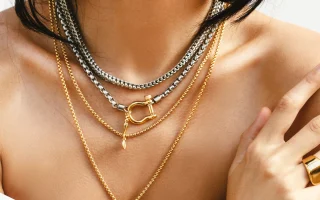
Metals in jewelry, belt buckles, and bag hardware introduce their own form of subtle texture and shine. They are important accents. To maintain a polished and cohesive appearance, stick to one metal tone per outfit. If you choose gold jewelry, ensure your belt buckle and bag hardware are also gold-toned. The same applies to silver or rose gold. Brands like Mejuri offer minimalist gold hoops and delicate necklaces that can elevate any monochrome look without overwhelming it. This small detail ensures a harmonious finish.
Monochrome Outfit Comparison: Good vs. Great
Understanding the difference between a basic monochrome outfit and one that truly shines is essential. It comes down to thoughtful selection and strategic layering, not just color matching. The following comparison highlights how small adjustments in texture, silhouette, and accessorizing can transform a simple tonal look into a sophisticated style statement.
The Nuance of Tonal Styling
The table below illustrates that expert monochrome isn’t about identical pieces. It’s about combining elements that, while sharing a color family, offer distinct visual and tactile qualities. This creates a rich, dynamic ensemble that is both effortless and impactful.
| Element | “Good” Monochrome (Basic) | “Great” Monochrome (Expert) |
|---|---|---|
| Color | All pieces are the exact same shade (e.g., jet black) | Varying shades within the family (e.g., charcoal, slate, ash) |
| Texture | All smooth cotton or polyester | Mix of wool, silk, leather, knit (e.g., Zara faux leather pants, M&S cashmere sweater) |
| Silhouette | Loose-fitting, undefined shapes | Structured pieces mixed with fluid ones (e.g., cropped blazer with wide-leg trousers) |
| Accessories | Matching basic bag/shoes, no jewelry | Deliberate choice of contrasting metal jewelry (e.g., Mejuri gold hoops), structured bag, perhaps a single pop of color in a shoe |
| Impact | Uniform, sometimes bland | Sophisticated, intentional, visually rich |
As the comparison shows, a “good” monochrome outfit relies solely on matching color. This often results in a flat, uninspired look. A “great” monochrome outfit, however, leverages subtle variations in shade, diverse textures like those found in Zara’s faux leather options or a quality Marks & Spencer cashmere sweater, and a blend of silhouettes. The thoughtful inclusion of accessories, even just gold hoops from Mejuri, pushes the outfit from merely coordinated to expertly styled. It’s about thoughtful contrasts, not identical matches. This approach creates an outfit that is both cohesive and visually engaging, proving that true monochrome mastery lies in the details.